How to Celebrate Cultural Holidays to Enhance Language and Identity
The world is becoming increasingly interconnected, and with that comes a beautiful tapestry of cultures. For families raising bilingual or multicultural children, embracing this diversity isn’t just desirable; it's vital. Celebrating cultural holidays offers a powerful avenue not just for joyful experiences, but for actively fostering language acquisition and a strong sense of identity in children. This isn’t simply about festive decorations or special meals; it’s about intentionally weaving cultural understanding and linguistic development into the fabric of family life. Ignoring cultural heritage can lead to feelings of disconnect and diluted identity, especially in children navigating multiple influences.
Truly effective celebration moves beyond superficial acknowledgement to become a deeply immersive experience. It means sharing stories, traditions, and perhaps most importantly, the language associated with those traditions. It’s about creating memories that connect children to their ancestral roots and provide a solid foundation for self-esteem. These celebrations are prime opportunities to demonstrate the value of cultural diversity, equipping children to become globally aware and empathetic individuals. This article will delve into strategies for maximizing the educational and emotional benefits of cultural holiday celebrations, providing practical guidance for parents.
- Laying the Foundation: Understanding the Link Between Culture, Language and Identity
- Planning Intentional Celebrations: Beyond Surface-Level Festivities
- Food as a Cultural Gateway: Culinary Traditions and Language Learning
- Storytelling and Creative Expression: Bringing Culture to Life
- Utilizing Community Resources: Expanding the Circle of Learning
- Addressing Challenges and Maintaining Consistency
- Conclusion: Building a Bridge to the Future
Laying the Foundation: Understanding the Link Between Culture, Language and Identity
The connection between culture, language, and identity is profound. Language isn't merely a tool for communication; it’s intricately intertwined with culture, carrying within it the history, values, and worldview of a people. Learning a language allows access to a culture’s nuances and subtleties that are often lost in translation. Conversely, engaging with a culture naturally reinforces language learning, providing context and motivation. For children of multicultural backgrounds, embracing all aspects of their heritage fosters a secure and holistic sense of self.
Consider a child with Mexican heritage growing up in the United States. Simply celebrating Cinco de Mayo with a parade might be fun, but it lacks depth. Actively incorporating Spanish language use – learning traditional songs, preparing family recipes while speaking Spanish, and listening to stories told in Spanish – transforms the celebration into a learning experience. This not only enhances Spanish language skills, but also solidifies the child’s connection to their Mexican roots. Research from the American Psychological Association has consistently shown that a strong ethnic identity is linked to improved academic outcomes and emotional wellbeing in minority youth.
This foundation isn't just about ancestral cultures; it’s about celebrating any culture the family is intentionally engaging with. If your family is learning about Japanese culture, celebrate Obon or Shogatsu just as intentionally, focusing on language immersion and historical context. The key is proactive, meaningful engagement, not just passive observation. This consistent exposure builds a strong sense of belonging and validates the child's multicultural reality.
Planning Intentional Celebrations: Beyond Surface-Level Festivities
Simply acknowledging a holiday isn’t enough. Intentional celebrations are carefully planned to maximize learning and cultural immersion. Start by researching the holiday’s origins, historical significance, and traditions. Go beyond the commercial aspects and delve into the meaning behind the customs. This research isn’t a one-time event; it’s an ongoing process of discovery that can involve the entire family.
A crucial element of planning should be language integration. Identify key phrases, songs, poems, or stories associated with the holiday in the target language(s). Integrate these into your celebrations. For example, during Diwali, instead of simply lighting diyas, learn the mantras associated with the festival in Hindi. During Lunar New Year, learn greetings in Mandarin or Vietnamese. Don’t be afraid to enlist the help of native speakers, whether they're family members, friends, or online tutors.
Consider expanding beyond the typical celebratory ‘day.’ Extend the celebration over several days or even weeks by incorporating related activities like cooking classes, museum visits, or storytelling sessions. This allows for a more in-depth exploration of the culture and avoids the feeling of a rushed, superficial experience. Think about creating a ‘cultural corner’ in your home featuring books, artifacts, and artwork related to the celebrated culture.
Food as a Cultural Gateway: Culinary Traditions and Language Learning
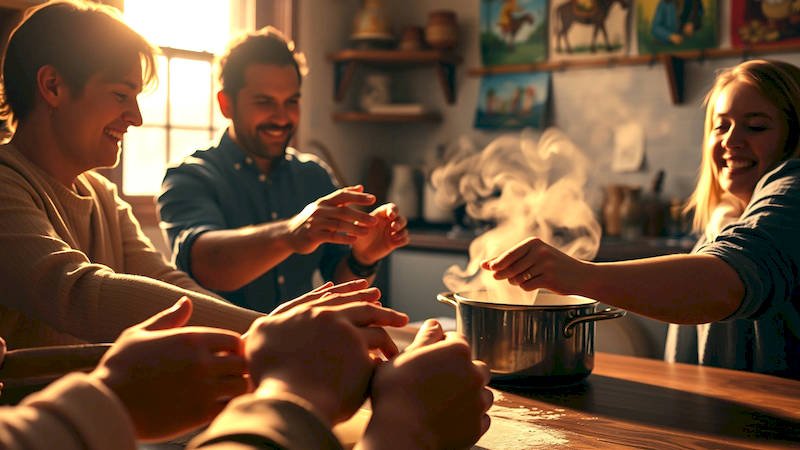
Food is often the heart of any culture, and celebrating through culinary traditions provides a delicious way to learn about language and customs. Instead of simply preparing a dish, make it a learning experience. Involve children in the cooking process, explaining the ingredients in the target language, and discussing the dish's cultural significance.
For instance, when making tamales for Las Posadas, explain the history of the dish and practice Spanish vocabulary related to the ingredients and cooking methods. Highlight how similar foods are prepared (or not!) in other cultures. "This masa is made from nixtamalized corn – did you know other cultures also use corn in different ways?". This not only reinforces language but also encourages critical thinking and cross-cultural comparisons. Furthermore, invite family members or friends who are native speakers to join in the cooking and share their own traditions and variations of the recipe.
Don’t underestimate the power of storytelling around the meal. Share family anecdotes related to the dish or the holiday. Talk about how the food connects to the climate and history of the region. These culinary adventures aren't just about making a tasty meal; they’re about creating lasting memories and fostering a deeper appreciation for cultural heritage.
Storytelling and Creative Expression: Bringing Culture to Life
Stories are the lifeblood of any culture, and incorporating storytelling into holiday celebrations is a powerful way to connect children to their heritage. Read folktales, myths, and legends associated with the holiday in the target language. If possible, find stories told by native speakers or stories that reflect the traditions of your family.
Encourage children to express their understanding of the culture through creative activities like drawing, painting, writing, or performing. For example, during Día de los Muertos, children can create their own ofrendas (altars) decorated with drawings and offerings in memory of loved ones. This provides an outlet for emotional expression and reinforces their understanding of the holiday’s symbolism. During the Chinese New Year, they could write or perform a lion dance script.
Consider creating a family scrapbook or journal documenting your cultural celebrations. Include photos, drawings, stories, and even recipes. This becomes a treasured keepsake that can be passed down through generations, strengthening the family’s connection to their heritage. These creative endeavors are not about artistic perfection; they’re about fostering a sense of ownership and connection to the culture.
Utilizing Community Resources: Expanding the Circle of Learning
Don’t limit your celebrations to the home. Engage with your local community to expand your learning opportunities. Attend cultural festivals, performances, and workshops. Visit museums, art galleries, and historical sites that showcase the target culture. These experiences provide exposure to authentic traditions and interactions with people from diverse backgrounds.
Seek out language classes or cultural immersion programs. These programs offer structured learning opportunities that can supplement your home-based celebrations. Connect with local cultural organizations and community groups. They can provide valuable resources and support, as well as opportunities to connect with other families who share your cultural interests.
For example, if you're celebrating St. Patrick’s Day, attend a traditional Irish music session or take an Irish dance class. If you’re celebrating Diwali, visit a Hindu temple or attend a local Diwali festival. These community events enhance the immersive experience and demonstrate the vibrant diversity of your surroundings.
Addressing Challenges and Maintaining Consistency
Maintaining cultural and linguistic continuity requires effort and consistency. Challenges may arise, such as a lack of resources, time constraints, or resistance from children. Be patient and flexible. Start small and gradually incorporate more cultural elements into your family life.
Resist the pressure to assimilate entirely. It’s crucial to validate your children’s cultural identities and communicate the value of their heritage. If a child expresses resistance, try to understand their concerns and address them in a sensitive and supportive manner. Frame the celebrations as fun and engaging experiences rather than obligations. Regularly assess what is working and what is not. Consider creating a family calendar that highlights important cultural dates and plan activities accordingly.
Remember that consistency is key. Even small, regular gestures can have a significant impact. Reading a story in the target language every night, preparing a traditional meal once a week, or simply greeting family members in the target language can help maintain cultural and linguistic continuity.
Conclusion: Building a Bridge to the Future
Celebrating cultural holidays is far more than a charming tradition; it's a powerful pedagogical tool and a vital component of raising well-rounded, confident, and globally aware children. By intentionally integrating language, history, and meaningful experiences into these celebrations, parents can foster a deep appreciation for cultural heritage and a strong sense of identity in their children. Remember that authenticity and consistency are paramount. It's about creating a living, breathing connection to one’s roots rather than a superficial performance of tradition.
The key takeaways are to prioritize planning, embrace food as a cultural gateway, utilize storytelling and creative expression, leverage community resources, and address challenges with patience and understanding. Start small, be consistent, and remember that the ultimate goal is to empower your children to embrace their full cultural identities and become confident, compassionate citizens of a diverse world. The seeds you plant today will blossom into a rich and fulfilling understanding of self and the world around them—a truly invaluable gift.
Deja una respuesta