
Hands-On Clay Modeling Projects to Develop Fine Motor Skills
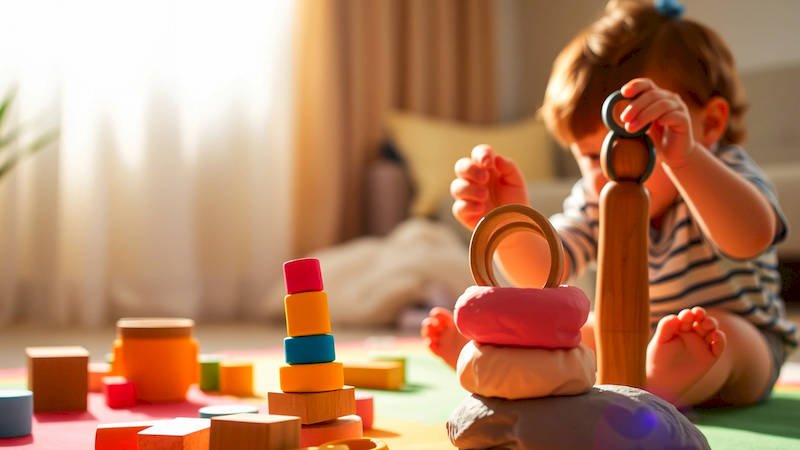
The early years of a child’s development are marked by incredible brain plasticity and a voracious appetite for learning through exploration. While academic skills often take center stage, nurturing fine motor skills is equally crucial. These skills – the ability to make small, precise movements – are foundational for a wide range of tasks, from writing and buttoning clothes to playing musical instruments and, crucially, fostering creative expression. Clay modeling, often underestimated in its educational power, provides an exceptional, engaging avenue for developing these vital skills in a fun, tactile way. This article delves into the numerous benefits of clay modeling, offering a suite of project ideas designed to progressively challenge and enhance a child’s fine motor capabilities, alongside guidance for parents and educators.
The importance of fine motor skill development cannot be overstated. Studies show a strong correlation between early fine motor proficiency and later academic success, particularly in reading and writing. These skills aren’t simply about dexterity; they engage multiple areas of the brain, promoting neural connections and improving hand-eye coordination, concentration, and problem-solving abilities. Furthermore, the tactile nature of clay offers a sensory experience that can be particularly beneficial for children with sensory processing challenges, providing a calming and regulating activity. Providing opportunities for free exploration with clay, alongside guided projects, allows children to develop both their creativity and physical coordination simultaneously.
- The Neurological Benefits of Clay: Why It's More Than Just Fun
- Initial Stages: Building Foundational Skills (Ages 2-3)
- Intermediate Projects: Refining Techniques (Ages 4-5)
- Advanced Modeling: Introducing Complexity (Ages 6+)
- Adapting Clay Modeling for Children with Special Needs
- Beyond the Basics: Expanding the Learning Experience
The Neurological Benefits of Clay: Why It's More Than Just Fun
Clay modeling isn't merely a charming childhood pastime; it's a powerful neurological workout. The act of manipulating clay—squishing, rolling, pinching, and shaping—stimulates numerous areas of the brain. Specifically, it activates the somatosensory cortex, responsible for processing tactile sensations, and the motor cortex, which controls movement. This dual stimulation strengthens the connections between these areas, leading to improved hand-eye coordination and a greater awareness of spatial relationships. This connectivity is vital for tasks requiring precision and control.
Furthermore, working with clay requires focused attention. The child must concentrate on the form they are creating, the pressure they are applying, and the overall process. This focused attention naturally fosters concentration skills, crucial for learning and academic performance. Occupational therapist, Dr. Amanda Gummer, emphasizes this point, stating, “Activities like clay modeling require bilateral coordination – using both hands in a coordinated way – and sustained attention, both of which are fundamental for school readiness.” The process of correcting mistakes and refining the shape also teaches children resilience and problem-solving.
It's also important to consider the inherent stress-reducing quality of working with clay. The repetitive, tactile nature can be incredibly grounding and calming, providing a therapeutic outlet for emotions and reducing anxiety, which can be especially valuable in today’s fast-paced world. This emotional regulation aspect is often overlooked but significantly contributes to a child’s overall well-being and ability to learn effectively.
Initial Stages: Building Foundational Skills (Ages 2-3)
For the youngest learners, the focus should be on simple exploration and building foundational skills. Forget about creating identifiable objects; instead, emphasize the sensory experience and the development of basic manipulations. Activities at this age should prioritize rolling, squishing, and pinching. Introducing playdough alongside clay can provide varied textures and further exploration. Start with simple actions like rolling ‘snakes’ or making ‘pancakes’ with the clay, encouraging the child to verbalize what they are doing ("You're rolling the clay! It's getting long!").
One excellent project is creating "Clay Stamps." Provide the child with clay and a variety of safe, blunt objects like buttons, LEGO bricks, or shells. Encourage them to press these objects into the clay to create imprints. This introduces the concept of texture and pressure, while strengthening hand muscles. Another good starting point is providing pre-cut shapes (circles, squares) and encouraging them to flatten and decorate them, opening opportunities for colour mixing and creative expression. Remember to keep sessions short (10-15 minutes) to maintain attention and prevent frustration. Observation is key at this stage – note what skills the child struggles with and tailor future activities accordingly.
Intermediate Projects: Refining Techniques (Ages 4-5)
As children develop, they can be introduced to more complex techniques and projects that require greater precision and control. This is the ideal time to start working towards creating recognizable objects, but still prioritize the process of learning over the perfect product. It’s important to remember that the goal at this stage is refinement, not artistry. Introduce tools like plastic knives, rolling pins, and simple sculpting tools, demonstrating their proper use and emphasizing safety.
One engaging project is creating “Clay Animals." Start with simple forms like snails or hedgehogs. Guide the child through the process of rolling a body, adding small clay balls for eyes, and gently pressing in textures. Another idea is "Clay Food." Encourage children to create miniature fruits, vegetables, or cookies. This encourages attention to detail and introduces basic shape recognition. A case study involving a preschool class introducing clay food found that children demonstrated improved vocabulary related to foods and significantly increased persistence during the activity. It’s vital to encourage problem-solving; for example, if a form collapses, ask "What could we do to make it stronger?"
Advanced Modeling: Introducing Complexity (Ages 6+)
For older children, the focus can shift towards more intricate projects that challenge their developing fine motor skills and encourage creative storytelling. They can now handle more complex tools and begin to understand concepts like proportion and symmetry. Introduce new materials like metallic clay or polymer clay for varied texture and potential baking/hardening projects (with adult supervision).
One challenging but rewarding project is creating "Miniature Scenes." Encourage the child to create a small diorama, such as a forest, a beach, or a town square, using clay and other materials like twigs, stones, and small toys. This project requires planning, spatial reasoning, and precise sculpting. Another project could involve creating specific characters or figurines, requiring attention to anatomy and detail. Providing reference images can be helpful but encourage the child to add their own creative flair. At this age, the skill development extends beyond physical dexterity; it's about realizing their creative vision in a three-dimensional form.
Adapting Clay Modeling for Children with Special Needs
Clay modeling is incredibly adaptable and can be particularly beneficial for children with a range of special needs. For children with sensory processing difficulties, the tactile experience of clay can be deeply regulating. For children with motor impairments, adapt tools and techniques to accommodate their needs. For example, using larger, easier-to-grip tools, or providing support for their hands.
For children with autism, the structured nature of certain clay projects can be calming and predictable. Focus on projects that allow for repetition and desired outcomes. A speech therapist might use clay modeling to help a child practice making sounds or shaping their mouth for clear articulation. It's also crucial to be patient and encouraging, celebrating small successes and focusing on the child’s individual progress. Always consult with a therapist or specialist to determine the most appropriate approach for each child’s unique needs.
Beyond the Basics: Expanding the Learning Experience
Clay modeling doesn't have to be a solitary activity. Incorporate it into storytelling, science lessons, or art history explorations. For instance, after reading a story about dinosaurs, children can recreate their favourite dinosaurs using clay. While studying the human body in science, they can sculpt miniature organs. Explore the work of famous sculptors, like Henry Moore or Auguste Rodin, and discuss how they used form and texture in their art.
Furthermore, consider introducing different types of clay. Air-dry clay is simple and convenient, while polymer clay allows for baking and creating durable creations. Exploring different materials can broaden a child's understanding of textures and properties of materials, contributing to their scientific awareness. Don’t be afraid to experiment and let the child lead the way with their imagination.
In conclusion, hands-on clay modeling projects offer a wealth of benefits for children's development, extending far beyond the realm of artistic expression. From strengthening fine motor skills and boosting cognitive function to fostering creativity and providing a therapeutic outlet, clay provides a unique and engaging learning experience. By progressing through increasingly challenging projects, and adapting the activity to individual needs, parents and educators can unlock a child’s potential and sculpt a future filled with skill, confidence, and joy. Remember to focus on the process, celebrate experimentation, and embrace the messy, wonderful world of clay. Start small, be patient, and watch your child’s creativity—and dexterity—flourish.
Deja una respuesta