
Creating Sensory Bins to Support Cognitive Growth in Young Children
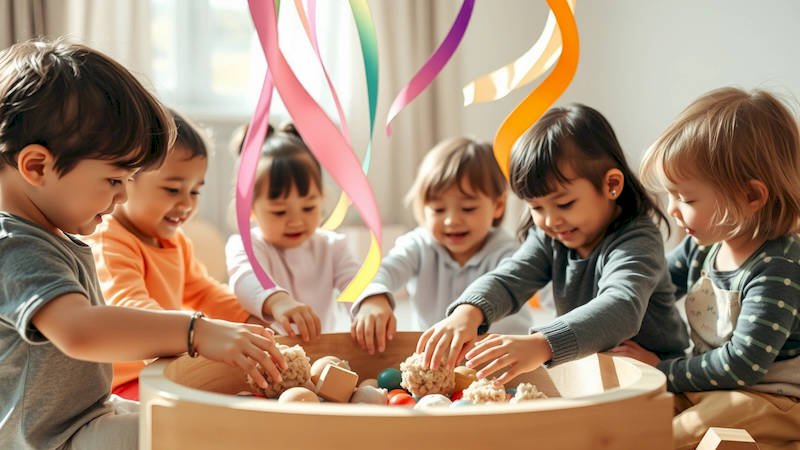
Sensory play is more than just fun and games for young children; it’s a critical component of their cognitive, emotional, and physical development. In a world increasingly geared towards screen time and structured activities, providing opportunities for open-ended, hands-on exploration is paramount. Sensory bins, containers filled with materials designed to stimulate the senses, offer a simple yet powerful way to achieve this. They allow children to investigate, experiment, and learn through touch, sight, sound, smell, and even taste (with careful material selection, of course!). This article will delve into the world of sensory bins, exploring how they support cognitive growth, providing practical guidance for creation, and addressing safety considerations.
The benefits of sensory play extend far beyond simple entertainment. Neuroscientists emphasize the importance of sensory integration for brain development. When children engage with different textures, temperatures, and materials, they’re building neural pathways that are foundational for learning, problem-solving, and creativity. Sensory bins capitalize on this natural process, offering a controlled environment for exploration and discovery. As Dr. Angela J. Hanscom, author of Balanced Sensory Processing, notes, “Heavy work, like digging in a bin, can be calming and organizing to the nervous system." This calming effect isn't just beneficial for emotional regulation, but also primes the brain for more complex cognitive tasks.
Understanding the Cognitive Benefits of Sensory Play
Sensory bins aren't just about fun textures; they are mini-laboratories for cognitive development. The open-ended nature of playing with a sensory bin encourages children to problem solve, make predictions, and experiment with cause and effect. For example, a bin filled with water and various containers inspires children to explore volume, capacity and displacement – early math and science concepts. As they scoop, pour, and fill, they are not merely playing, but engaging in practical application of these concepts. This hands-on experience solidifies understanding in a way that simply telling a child about these concepts could never achieve.
Furthermore, sensory bins foster creativity and imagination. There's no “right” way to play with a sensory bin. Children are free to create their own narratives, use the materials in unconventional ways, and develop divergent thinking skills. A bin filled with dried pasta and small animals can become a farm, a construction site, or a magical kingdom – limited only by their imagination. This type of play is crucial for developing flexible thinking and problem-solving abilities, skills that are vital for success in all areas of life. A study by the National Association for the Education of Young Children (NAEYC) highlights the link between sensory exploration and creative expression, noting that “children who have opportunities to engage in sensory play are more likely to demonstrate advanced problem-solving skills.”
Designing Sensory Bins for Different Developmental Stages
Sensory bin design should be thoughtfully tailored to the developmental stage of the child. What’s appropriate and engaging for a 18-month-old will be vastly different from what captivates a 4-year-old. For younger toddlers (18-24 months) focus on simple bins with large, safe objects. Rice, pasta, or water with large scoops and containers are ideal. Constant supervision is crucial at this age, as small items still pose a choking hazard. The focus should be on safe exploration and simple cause-and-effect.
As children grow (2-3 years), you can introduce more complexity. Include smaller objects, different textures (sand, beans, shredded paper), and tools like funnels, sieves, and tongs. Begin introducing themes, like a “construction site” with rocks, trucks, and small shovels, or a “farm” with animal figurines and dried corn kernels. For preschoolers (3-5 years), sensory bins can become elaborate worlds. Incorporate storytelling elements, challenges, and opportunities for collaborative play. For instance, you could create a "dinosaur dig" with sand, rocks, and plastic dinosaurs, encouraging children to excavate fossils and learn about prehistoric life. Remember, observation is key – adjust the bin’s contents and complexity based on the child's engagement and abilities.
Safe Material Selection and Hygiene Practices
Safety is paramount when creating sensory bins. Carefully consider the materials you use to avoid choking hazards and allergic reactions. Avoid small objects that can easily be swallowed, especially with younger children. Always supervise children during sensory bin play. When introducing new materials, check for allergies. Common allergens include wheat (in playdough or pasta), nuts (avoid entirely if there's a possibility of allergies), and certain dyes or perfumes. Opt for natural and non-toxic materials whenever possible.
Maintaining hygiene is also important. After each use, discard any materials that have been soiled or contaminated. Wash bins thoroughly with soap and water. Materials like rice, beans, and pasta can be dried completely and stored in airtight containers for future use. For water bins, change the water frequently to prevent bacterial growth. A mild disinfectant can be added to the water occasionally, but ensure it’s safe for children and rinsed thoroughly. Consider using washable materials that can easily be sanitized. Prioritizing safety and hygiene ensures a positive and healthy play experience.
Creative Sensory Bin Themes and Ideas
The possibilities for sensory bin themes are endless! Thinking seasonally or tying bins to current learning themes can increase engagement. A "Fall Harvest" bin might contain dried corn kernels, acorns (large size only, for older children), mini pumpkins, and small scoops. A "Winter Wonderland" bin could feature fake snow, small penguins, and sparkly pom-poms. "Ocean Adventure" bins with blue water beads, seashells, and plastic sea creatures can spark imagination, while "Construction Zone" bins with sand, rocks, and toy trucks encourage problem-solving.
Don’t limit yourself to traditional materials. Explore unconventional options like cooked and cooled spaghetti (dyed with food coloring), ice (for a cooling sensory experience - with supervision!), or shredded newspaper. Encourage children to help create the sensory bins themselves, fostering a sense of ownership and creativity. Let them suggest themes and materials (within safety guidelines, of course!) This collaborative approach turns the bin creation process into another learning opportunity.
Troubleshooting Common Sensory Bin Challenges
Even with careful planning, challenges can arise. Some children may be hesitant to engage with the bin initially. This could be due to sensory sensitivities or simply unfamiliarity. Start small, offering just a few materials and gradually introducing more. Allow the child to observe you playing with the bin first, modeling engagement. If a child is overwhelmed by a particular texture, offer alternative materials.
Another common issue is "dumping." Some children will immediately dump the contents of the bin, rather than engaging with the materials. While momentarily frustrating, this is a natural exploration of gravity and physics. Instead of discouraging it, provide a designated space for dumping and encourage them to rebuild or create something new with the scattered materials. Finally, be prepared for mess. Sensory bins can be messy! Use a large tray or playmat to contain the mess and embrace the fact that a little bit of mess is a sign of engaged learning.
Expanding Beyond the Bin: Integrating Sensory Experiences
The benefits of sensory play don’t have to be confined to the bin itself. Integrate sensory experiences into other activities throughout the day. Add scented lotion to playdough, create a "sound jar" filled with rice and small objects, or encourage children to explore different textures during art projects. Incorporate sensory elements into story time, asking children to describe how characters might feel and smell.
Consider creating a “sensory path” using different textures like bubble wrap, foam squares, and carpet samples. This provides a physical outlet for sensory exploration and can be particularly beneficial for children who need movement breaks. By weaving sensory experiences into the daily routine, you’re fostering a learning environment that caters to all learning styles and supports holistic development.
In conclusion, sensory bins are a powerful tool for supporting cognitive growth in young children. By providing opportunities for exploration, experimentation, and creativity, they help build foundational skills in problem-solving, critical thinking, and imagination. Remember to prioritize safety, tailor bin design to developmental stages, and embrace the messiness as a sign of engaged learning. Start small, observe your child’s preferences, and most importantly, have fun! Incorporating sensory bins into your child’s play routine is an investment in their future, fostering a love of learning and a foundation for lifelong success. The key takeaway is that sensory play isn't simply about providing amusement, but about intentionally facilitating brain development through engaging, multi-sensory experiences.
Deja una respuesta