Techniques to Promote Positive Self-Talk in Social Interactions
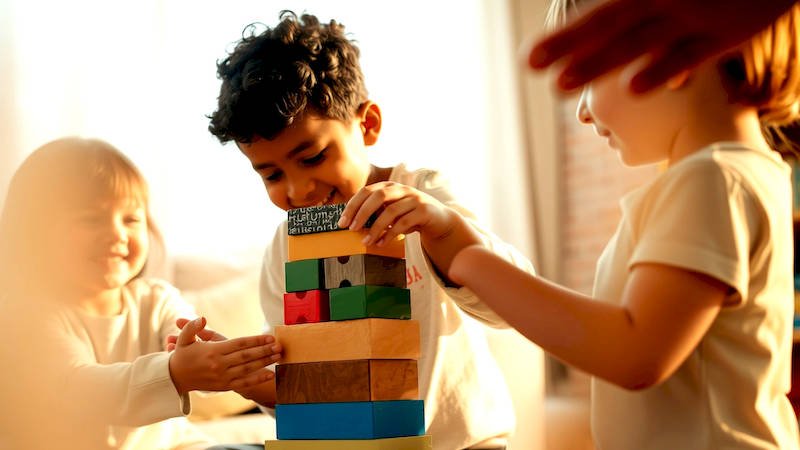
Social interactions are the cornerstone of childhood development, shaping not only academic success but also emotional wellbeing and future relationships. Yet, many children struggle with navigating these interactions, often due to underlying negative self-talk – the internal dialogue that influences their perceptions and behaviors. Promoting positive self-talk isn’t about ignoring challenges or creating unrealistic optimism; it’s about equipping children with the mental tools to approach social situations with resilience, self-compassion, and ultimately, greater success. This article delves into practical, evidence-based techniques parents and educators can utilize to nurture positive self-talk in children, fostering stronger social skills and enhanced classroom behavior. Ignoring this crucial skill can contribute to social anxiety, withdrawal, and difficulty forming healthy relationships, impacting a child’s overall quality of life.
The impact of self-talk extends far beyond simply feeling good. Studies demonstrate a strong correlation between internal dialogue and actual performance. Children who consistently engage in negative self-talk are more likely to avoid social situations, experience anxiety when they do participate, and interpret neutral feedback as negative. Conversely, those who practice positive self-talk demonstrate greater confidence, resilience, and a willingness to try new things. Developing this skill empowers children to become active participants in their social worlds, rather than passive observers weighed down by self-doubt. This article will provide actionable strategies to shift that internal narrative.
Understanding the Root of Negative Self-Talk
Negative self-talk in children often stems from a variety of sources, including past negative experiences, perfectionistic tendencies, and modeling from significant adults. It’s crucial to remember that children are still developing their sense of self and are highly sensitive to criticism or perceived failure. They may internalize negative comments or misinterpret social cues, leading to self-deprecating thoughts. Recognizing these origins is the first step in helping a child challenge and reframe those thoughts. For instance, a child who was repeatedly told they were "shy" may internalize this label and believe they are fundamentally incapable of social interaction.
Identifying how negative self-talk manifests is also vital. Common patterns include all-or-nothing thinking (“If I don't make any friends, I'm a failure”), catastrophizing (“If I trip in front of everyone, everyone will laugh at me forever”), and mental filtering (focusing only on negative aspects of a social interaction while dismissing positive ones). Understanding these cognitive distortions allows parents and educators to specifically address them. A simple exercise involves keeping a "thought journal" with the child, where they can record negative thoughts as they occur, describe the situation, and then, with guidance, begin to identify the underlying distortion.
Finally, it's important to acknowledge the role of temperament. Some children are naturally more sensitive or cautious than others, and may be predisposed to experiencing more anxious thoughts in social situations. This isn’t a flaw, but rather a characteristic that requires a tailored approach. The key is not to try and change their temperament, but to help them develop coping mechanisms and positive self-talk strategies to navigate their sensitivities effectively.
Modeling Positive Self-Talk: The Power of Example
Children are keen observers, and they learn far more from what we do than from what we say. Therefore, modeling positive self-talk is arguably the most powerful technique for fostering this skill in them. This means being mindful of our own internal dialogue and consciously reframing negative thoughts out loud. Avoid self-deprecating comments, and instead, demonstrate self-compassion. Instead of saying “I’m so terrible at public speaking,” try “Public speaking is challenging, but I’m going to do my best and learn from the experience.”
This extends beyond direct self-talk. How we respond to our own mistakes and setbacks sets a powerful example. Acknowledging errors without excessive self-criticism, and focusing on learning from them, teaches children that imperfection is a natural part of life. “Oops, I made a mistake with that recipe. That’s okay, I’ll try a different approach next time!” conveys a far healthier attitude than beating yourself up over a culinary failure. Children need to see us demonstrate resilience and self-acceptance.
Furthermore, openly acknowledging and managing your own social anxieties can be incredibly beneficial. Saying, “I’m a little nervous about meeting new people, but I’m going to be friendly and see what happens,” normalizes these feelings and demonstrates healthy coping strategies. This creates a safe space for children to share their own anxieties and receive guidance without judgment.
Teaching Cognitive Reframing Techniques
Once children are aware of their negative self-talk, the next step is to teach them how to challenge and reframe those thoughts. Cognitive reframing involves identifying negative thoughts, questioning their validity, and replacing them with more realistic and positive alternatives. This isn't about simply "thinking happy thoughts," but rather about developing a balanced and accurate perspective.
Start by introducing the concept of "thought bubbles." Ask the child to imagine the negative thought as a bubble floating above their head. Then, encourage them to pop the bubble and ask themselves questions like: "Is this thought based on facts, or just feelings?" "Is there another way to look at this situation?" "What would I tell a friend who was having this thought?" “Is this thought helpful, or harmful?” For example, if a child believes “No one likes me,” you can guide them to question: "Is that really true? Are there people who do enjoy spending time with you?" “What evidence is there to support that thought, and what evidence contradicts it?”
Introduce alternative, more balanced thoughts. Replacing “No one likes me” with “I have a few close friends who enjoy my company, and I can focus on nurturing those relationships” is a more realistic and constructive approach. This process takes practice, so be patient and supportive. Celebrate small victories - even identifying a negative thought is a significant step forward.
Utilizing Role-Playing and Social Stories
Role-playing is a powerful tool for practicing positive self-talk in specific social scenarios. Act out common situations that trigger anxiety for the child, such as joining a new group, asking for help, or dealing with conflict. During the role-play, pause at key moments and ask the child what thoughts are going through their mind. Then, guide them to replace negative thoughts with positive affirmations. For example, if the child expresses fear about being rejected, help them rehearse saying to themselves, "I am a valuable person, and if someone doesn't want to be my friend, that's okay. I'll find someone else who does."
Social stories are another effective technique, particularly for children with autism or other social-communication challenges. These are short, personalized stories that describe a specific social situation and offer helpful strategies for navigating it. A social story could detail a common scenario like asking a classmate to play, including what to say, how to approach the situation, and positive self-talk phrases to use if they feel nervous. The story can also address potential challenges and offer solutions, such as what to do if the classmate says no.
Reinforcing Positive Self-Talk with Specific Praise
Generic praise like "Good job!" is often ineffective in reinforcing positive behaviors. Instead, focus on providing specific praise that highlights the child's efforts, strategies, and positive self-talk. For instance, instead of saying “You’re so good at making friends,” try “I noticed you took a deep breath and walked over to introduce yourself to the new student. That was very brave, and it’s great that you used your calming strategies!”
This type of praise not only validates the child’s efforts, but also reinforces the specific behavior you want to see repeated. It also models the importance of acknowledging and celebrating small victories. Be sure to praise the process rather than the outcome. Praising effort and resilience, even in the face of challenges, sends the message that it’s okay to make mistakes and that learning is more important than perfection.
The Importance of Self-Compassion
Finally, fostering self-compassion is crucial for building resilience and positive self-talk. Self-compassion involves treating yourself with the same kindness, care, and understanding that you would offer a friend. This means acknowledging your imperfections, recognizing that suffering is a universal human experience, and avoiding harsh self-criticism.
Help children understand that everyone makes mistakes, and that it’s okay to feel sad, frustrated, or disappointed. Encourage them to talk about their feelings without judgment, and to offer themselves words of comfort and encouragement. A simple exercise is to ask the child, “What would you say to a friend who was feeling this way?” and then encourage them to say those same words to themselves. This cultivates a more nurturing and supportive inner dialogue, ultimately promoting stronger social skills and emotional wellbeing.
In conclusion, promoting positive self-talk in children requires a multifaceted approach that encompasses modeling, teaching cognitive reframing techniques, utilizing role-playing and social stories, reinforcing positive behaviors with specific praise, and fostering self-compassion. It’s a continuous process that requires patience, understanding, and consistent effort. By equipping children with these vital skills, we empower them to navigate the complexities of social interactions with confidence, resilience, and a healthy sense of self-worth. The benefits extend far beyond the classroom, shaping their ability to form meaningful relationships, overcome challenges, and thrive in all aspects of life. Start small, be consistent, and remember that even small changes can make a significant difference in a child’s social and emotional development.
Deja una respuesta