
How to Involve Children in Household Tasks to Free Up Time
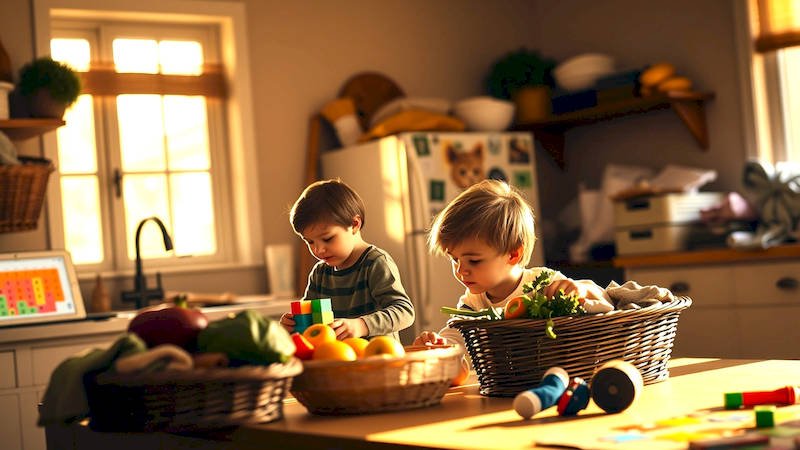
The modern family is a whirlwind of activity. Parents are often juggling full-time jobs, childcare responsibilities, and the endless demands of maintaining a household. This constant pressure can lead to feelings of overwhelm, burnout, and a significant reduction in quality family time. While it's tempting to simply power through and "do it all," a more sustainable and beneficial approach lies in strategically involving children in household tasks. This isn’t about turning kids into miniature adults, but about fostering responsibility, building life skills, and, crucially, freeing up precious time for parents to recharge and connect with their families. This article will delve into practical strategies for successfully integrating children into household chores, ensuring a smoother, more balanced family life.
The perception that children are "too young" to contribute is a common hurdle. However, even toddlers can participate in age-appropriate tasks, laying the foundation for a lifetime of helpfulness. Moreover, involving children in chores isn’t merely about easing a parent’s workload; it's a powerful lesson in teamwork, contribution, and the value of shared responsibility. By shifting the mindset from "tasks to do for my children" to "tasks we do together," families can cultivate a more harmonious and supportive environment. The key lies in understanding age-appropriate expectations and adapting the approach to each child's evolving capabilities.
- Starting Young: Age-Appropriate Chores for Little Helpers
- Creating a Chore System That Works: Structure and Expectations
- Avoiding Common Pitfalls: The Struggle is Real
- The Power of Positive Reinforcement: Encouragement over Criticism
- Dealing with Age-Related Regression: When Chores Become a Battle
- Beyond Tasks: Fostering Responsibility and Life Skills
- Conclusion: A Sustainable Path to Balance
Starting Young: Age-Appropriate Chores for Little Helpers
The misconception that chores need to be complex or perfect is a major barrier. Starting small and focusing on participation rather than flawless execution is crucial, particularly with younger children. Toddlers (ages 2-3) can begin with exceptionally simple tasks like putting toys in a designated bin, helping to wipe up spills (with supervision), or bringing their dishes to the sink. These tasks are about building a habit of helping and understanding that everyone contributes to the household. The focus at this age isn’t cleanliness, it's cooperation.
Preschoolers (ages 4-5) can take on a bit more responsibility. They can help set the table (with unbreakable items), sort laundry (matching socks is a classic!), water plants, or assist with simple food preparation like washing vegetables. Framing these activities as "helping mommy/daddy" rather than a chore can make them more appealing. According to Dr. Laura Markham, a clinical psychologist and author of Peaceful Parent, Happy Kids, "Chores teach children responsibility, problem-solving, and a sense of competence. But they also create a feeling of belonging and being a valued member of the family." It’s important to remember patience is critical. Expecting perfection will lead to frustration for both parent and child.
Finally, as children enter the early elementary years (ages 6-8), they can handle more independent tasks like emptying small trash cans, making their beds (even if it’s not perfect!), setting the table completely, and helping with pet care. This stage is about building confidence and establishing routines. It’s also a good time to introduce a simple reward system (not necessarily monetary) like extra playtime or reading time to reinforce positive behavior.
Creating a Chore System That Works: Structure and Expectations
A haphazard approach to chores often leads to arguments and resentment. Implementing a structured chore system is essential for success. This doesn’t need to be overly complicated, but it does require clear expectations, consistent follow-through, and age-appropriate accountability. A visual chore chart, especially for younger children, can be incredibly effective. Pictures or simple drawings depicting each task make it easier for them to understand their responsibilities.
The system should also consider individual schedules and commitments. Trying to force a rigid structure onto a chaotic family life is likely to fail. Flexibility is key. Instead of assigning chores to specific days, consider a rotating schedule or a "when it's done" approach for certain tasks. Furthermore, transparency is paramount. Discuss the reasoning behind assigning chores – explaining that everyone needs to contribute to maintain a comfortable home life – can foster understanding and cooperation. Avoid framing chores as punishments. They are a part of being a family, not a consequence for misbehavior.
Finally, it is crucial to lead by example. Children are more likely to participate willingly if they see their parents actively contributing to household tasks. Model positive attitudes towards chores and demonstrate that helping each other is a valued family principle.
Avoiding Common Pitfalls: The Struggle is Real
Despite careful planning, implementing a chore system often comes with challenges. One common pitfall is micromanaging. Children need the freedom to learn and make mistakes. Constantly redoing their work undermines their confidence and fosters resentment. Offer guidance and support, but allow them to take ownership of their tasks. Another challenge is dealing with resistance. Children may complain, procrastinate, or simply refuse to cooperate. This is where consistency and clear consequences come into play.
Responding to protests with empathy ("I understand you don't want to unload the dishwasher, but it needs to be done") can be more effective than simply scolding. Following through with agreed-upon consequences (e.g., loss of screen time) is vital. It’s also important to revisit the system regularly. As children grow and their capabilities evolve, the chore assignments need to be adjusted accordingly. What was appropriate for a 6-year-old may be too easy for an 8-year-old, and vice versa. Regularly discussing the system and soliciting feedback from children can help ensure its continued effectiveness.
The Power of Positive Reinforcement: Encouragement over Criticism
Positive reinforcement is far more effective than criticism when it comes to motivating children. Focus on acknowledging effort and progress, rather than dwelling on imperfections. "I noticed you really took your time setting the table carefully. Thank you!" is far more impactful than "You missed a fork." Specific praise ("I appreciate how you sorted the laundry by color") is even more powerful.
Avoid comparing children to each other. Each child has unique strengths and weaknesses, and comparisons can breed resentment and discourage participation. Small rewards can be helpful, but they shouldn’t be the primary motivation. Intrinsic motivation – the feeling of satisfaction that comes from contributing and being helpful – is the ultimate goal. Creating a collaborative and supportive environment where children feel valued for their contributions is far more effective than relying on external rewards. Remember, you are building habits and character, not just getting chores done.
Dealing with Age-Related Regression: When Chores Become a Battle
There will inevitably be times when a child who has been diligently performing chores suddenly regresses and resists helping. This can happen for a variety of reasons, including stress, fatigue, or simply a desire for more attention. Instead of immediately resorting to punishment, try to understand the underlying cause. Is your child overwhelmed with schoolwork? Are they going through a difficult emotional period?
Open communication is key. Talk to your child about what's going on and try to find a compromise. Perhaps they need a break from certain chores or a reduced workload. It's also important to revisit the expectations and ensure they are still age-appropriate. Sometimes, a simple change in routine or a new chore chart can reignite their motivation. As with all parenting challenges, patience and understanding are essential. Dr. Becky Kennedy, a clinical psychologist specializing in parenting, emphasizes the importance of “seeing behavior as communication.” A child's resistance to chores might be signaling a deeper need that needs to be addressed.
Beyond Tasks: Fostering Responsibility and Life Skills
Involving children in household tasks isn’t simply about lightening your load; it's an investment in their future. It teaches them valuable life skills, such as time management, organization, and problem-solving. It also fosters a sense of responsibility, self-reliance, and contribution. These are qualities that will serve them well throughout their lives.
Furthermore, working alongside your children on chores can be a valuable bonding experience. It provides an opportunity to connect, communicate, and create shared memories. Turn chore time into family time – put on some music, chat about your day, and make it fun. Ultimately, the goal is not just to get the chores done, but to cultivate a sense of teamwork and shared responsibility within the family. This goes beyond laundry and dishes; it builds a stronger, more resilient family unit.
Conclusion: A Sustainable Path to Balance
Successfully involving children in household tasks requires patience, consistency, and a willingness to adapt. Embrace age-appropriate expectations, create a structured system, and focus on positive reinforcement. Remember that it’s not about perfection but participation. By shifting the mindset from "doing for your children" to "doing with your children," you can reclaim valuable time, foster responsibility, and strengthen family bonds. The long-term benefits – responsible, self-reliant individuals who understand the value of contributing – far outweigh the initial effort.
The key takeaways are clear: Start small, be consistent, and focus on encouragement. Don't be afraid to adjust the system as your children grow and their needs change. And most importantly, remember that involving children in chores is not just about getting things done; it’s about raising well-rounded, capable individuals and building a more harmonious family life. Take the first step today by identifying one simple chore your child can take on and begin building a foundation for a more balanced and fulfilling family dynamic.
Deja una respuesta