How to Teach Kids About Portion Control Through Fun Activities
For many parents, mealtimes can feel like a constant negotiation. Getting children to eat enough of the good stuff is challenging enough, but teaching them to eat the right amount—to understand portion control—can feel like an insurmountable task. In a society grappling with rising rates of childhood obesity and increasingly large portion sizes, equipping kids with this skill is more important than ever. However, approaching portion control with restriction or deprivation can backfire, fostering unhealthy relationships with food. The key is to introduce the concept in a positive, playful way, shifting the focus from “dieting” to understanding how food fuels their bodies. This article will provide parents with practical, engaging activities and strategies to help their children develop a healthy understanding of portion sizes and build lifelong habits of mindful eating.
The importance of teaching portion control isn’t solely about preventing weight gain. It's fundamentally about fostering body awareness and respect. Children who learn to recognize their hunger and fullness cues are better equipped to make informed food choices throughout their lives. Moreover, understanding portion sizes isn't about denying delicious foods; it's about enjoying those foods in moderation as part of a balanced diet. This approach avoids the ‘forbidden food’ mentality which can lead to overeating when opportunities arise. Ultimately, instilling a healthy relationship with food empowers children to make choices that support their physical and emotional well-being.
- The Foundation: Understanding Hunger and Fullness Cues
- Visual Portion Guides: Making Sizes Concrete
- The Plate Method: Building Balanced Meals
- Snacking Smart: Understanding Smaller Portions
- Fun with Food: Games and Activities
- Modeling and Consistency: The Power of Example
- Conclusion: Cultivating a Healthy Relationship with Food
The Foundation: Understanding Hunger and Fullness Cues
Before diving into portion sizes, it’s crucial to help your child connect with their internal cues for hunger and fullness. Kids are often distracted during mealtimes – by television, siblings, or their own busy thoughts – and may eat based on external cues, like an empty plate or parental pressure, rather than their body’s signals. Laying the groundwork of mindful eating starts with encouraging them to tune in to how their bodies feel. Ask them simple questions throughout the meal: “How does your tummy feel right now?” or “Are you still feeling hungry?” Model this behavior yourself by verbalizing your own hunger and fullness.
This process requires patience and consistent practice. Initially, your child may struggle to articulate how they’re feeling. You can use a "hunger scale" with visual aids – perhaps faces ranging from very hungry to very full – to help them identify where they are. Regularly discussing these feelings, without judgment, reinforces the idea that their body knows what it needs. Avoid labeling foods as “good” or “bad,” as this can create guilt and shame around eating, further disconnecting them from natural cues. Instead, focus on how different foods make them feel – energetic, sluggish, satisfied.
Finally, create a mealtime environment conducive to mindful eating. Turn off screens, minimize distractions, and encourage conversation. Eating together as a family, when possible, models positive eating behaviors and allows for open discussion about food and fullness.
Visual Portion Guides: Making Sizes Concrete
Abstract concepts like “one cup” or “three ounces” can be difficult for children to grasp. Instead, leverage visual cues and relatable analogies to demonstrate appropriate portion sizes. Use their hands as a guide: a palm-sized portion of protein, a fist-sized portion of vegetables, and a cupped-hand portion of carbohydrates can be a good starting point. Compare portion sizes to familiar objects - “This is about the size of a hockey puck”. Alternatively, use plates divided into sections, helping visually represent the balanced plate approach.
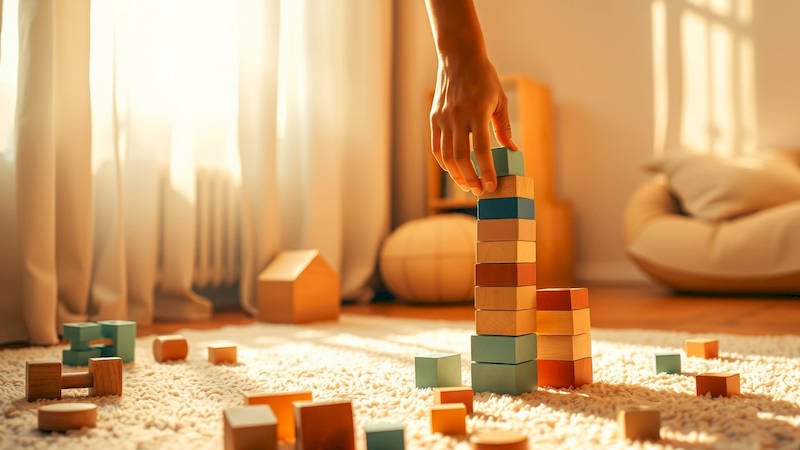
Furthermore, incorporating play-based learning can make understanding portion sizes more engaging. Create “portion puzzles” using pre-cut paper representations of different food groups, challenging your child to assemble a balanced meal within a designated plate size. You could also use building blocks or LEGOs to represent portions, visually comparing different serving sizes. This reinforces the idea of balance and provides a practical understanding of what constitutes a healthy meal. Remember to tailor the visual aids to your child’s age and understanding, making them fun and accessible.
It’s important to note that these visual guides are general guidelines and should be adjusted based on a child's age, activity level, and individual needs. Encourage them to pay attention to how they feel after eating different amounts and adjust accordingly.
The Plate Method: Building Balanced Meals
The "Plate Method" provides a simple, visual framework for building balanced meals. Divide the plate into three sections: half for non-starchy vegetables, one quarter for lean protein, and one quarter for whole grains or starchy vegetables. This method teaches children about food groups and portion balance without focusing on precise measurements. It centers on what they're eating, not how much they're restricting.
To make this interactive, involve your child in meal preparation. Let them help wash and chop vegetables, select protein sources, and portion out ingredients onto their plates. This hands-on experience not only teaches them about healthy eating but also empowers them to make informed choices. For younger children, you can use pre-divided plates to simplify the process. As they get older, they can begin to practice dividing their own plates, guided by your supervision.
The Plate Method also allows for flexibility. Emphasize that it's a guide, not a rigid rule. Different vegetables can be rotated, and protein sources can be varied to keep meals interesting and appealing. The goal is to create a habit of building meals with a focus on nutrient-rich foods in appropriate proportions.
Snacking Smart: Understanding Smaller Portions
Snacks can be a healthy part of a child’s diet, providing sustained energy between meals. However, portion control is just as important for snacks as it is for main meals. Often, commercially pre-packaged snacks are significantly larger than an appropriate portion size. Instead of relying on these, prioritize whole foods and pre-portion snacks into individual servings.
Consider offering options like a small handful of nuts, a piece of fruit, or yogurt in a small container. Avoid keeping large bags of snacks readily available, as this encourages mindless eating. Instead, designate a specific snack container or area for portioned-out servings. Teach your child to ask for a snack when they are hungry, rather than grazing throughout the day. You can also establish "snack rules," such as only having a snack between scheduled meals or choosing a snack from a pre-approved list.
Furthermore, make snacks part of the meal planning process. Include snacks as a planned component of the day, rather than an afterthought. This allows you to control the portion size and nutritional value of the snack.
Fun with Food: Games and Activities
Learning about portion control doesn't have to be a chore! Incorporate fun games and activities to reinforce the concepts in an engaging way. "Food Group Sorting" involves sorting pictures or miniature food items into their respective food groups, reinforcing the balanced plate concept. "Portion Estimation" challenges children to estimate portion sizes of familiar foods, then compare their estimates to actual serving sizes.
Another engaging activity is creating "miniature meals" using play food. This allows children to practice building balanced meals without the pressure of actually eating. You could also create a "Healthy Plate Bingo" game, featuring images of different foods that fit within the Plate Method guidelines. Offering small rewards for completing these activities – not food-related, of course – can further motivate children to participate. The key is to transform portion control into a positive learning experience, rather than a restrictive diet.
Modeling and Consistency: The Power of Example
Perhaps the most effective way to teach children about portion control is to model healthy eating habits yourself. Children learn by observing their parents, and if they see you consistently practicing mindful eating and appropriate portion sizes, they are more likely to adopt those behaviors themselves. Avoid restrictive dieting or obsessing about your own weight, as this can send mixed messages. Instead, focus on enjoying a variety of healthy foods in moderation.
Consistency is key. Make portion control a regular part of family mealtimes and snacks. Avoid making exceptions, as this can confuse children and undermine your efforts. Be patient and understanding. It takes time and practice for children to develop a healthy understanding of portion sizes. Celebrate their successes and offer encouragement when they struggle. Remember that you are building lifelong healthy habits, and a positive, supportive approach is crucial.
Conclusion: Cultivating a Healthy Relationship with Food
Teaching children about portion control is not about restriction; it's about empowerment. It’s about equipping them with the skills and knowledge to make informed choices that support their physical and emotional well-being. By focusing on hunger and fullness cues, utilizing visual guides, embracing the Plate Method, making snacking smart, incorporating fun activities, and, most importantly, modeling healthy habits, parents can help their children develop a lifelong, positive relationship with food. Remember, consistency and patience are paramount. The goal is not to create perfectly portioned plates every time, but to foster an awareness of how food fuels their bodies and empowers them to make choices that nourish their overall health. Start small, be patient, and focus on building healthy habits one meal, one snack, and one conversation at a time. The investment you make today will pay dividends in your child’s long-term health and happiness.
Deja una respuesta