
Outdoor sensory activities to support early childhood development
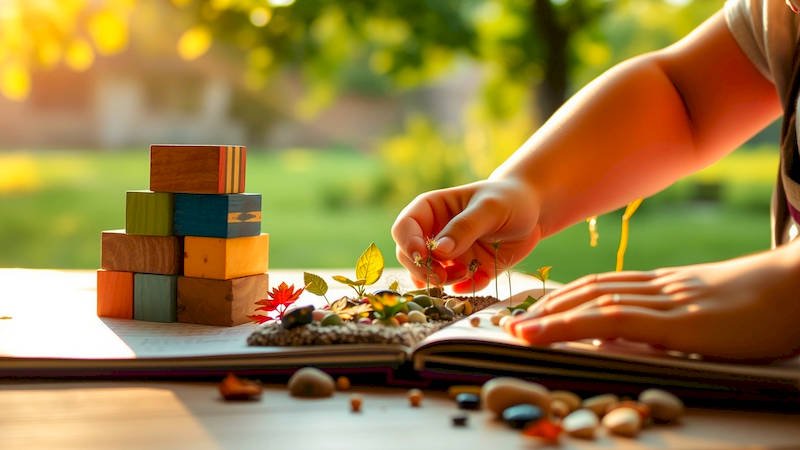
The early years of a child’s life are a period of remarkable brain development, and sensory experiences are crucial for building the neurological pathways that underpin learning, problem-solving, and emotional regulation. While indoor environments offer valuable learning opportunities, the natural world provides a uniquely rich and stimulating sensory landscape that is often unmatched. Outdoor sensory play isn’t just about ‘fun and games’ – it’s a fundamental aspect of healthy child development, fostering cognitive growth, physical well-being, and a profound connection with the environment. This article will delve into the benefits of outdoor sensory activities and provide parents and educators with practical ideas to create engaging and effective learning experiences.
In today’s increasingly digital world, opportunities for unstructured outdoor play are dwindling, raising concerns about the potential impact on children's development. Research consistently demonstrates that regular exposure to nature positively impacts children’s attention spans, reduces stress and anxiety, and promotes creativity. Furthermore, sensory exploration strengthens neural connections, enhancing a child's ability to process information and adapt to new situations. By intentionally incorporating sensory experiences into outdoor activities, we can help children unlock their full potential and nurture a lifelong love of learning and exploration.
This isn’t about elaborate setups or expensive equipment; many of the most impactful sensory experiences are derived from simple, readily available natural materials. The goal is to provide opportunities for children to engage with their senses – to touch, smell, see, hear, and even taste (with appropriate guidance and safety measures) – in a natural environment. This article will serve as a comprehensive guide, exploring the science behind sensory play, outlining a variety of activities, and addressing essential safety considerations to ensure a positive and enriching experience for every child.
- The Science Behind Sensory Play and Early Development
- Creating a Sensory-Rich Outdoor Environment
- Engaging Outdoor Sensory Activities: A Practical Guide
- Harnessing Natural Loose Parts for Creative Play
- Safety Considerations and Minimizing Risks
- Adapting Activities for Different Abilities and Needs
- Conclusion: Nurturing Growth Through Sensory Exploration
The Science Behind Sensory Play and Early Development
Sensory play is not merely about keeping children occupied; it’s intrinsically linked to brain development. From birth, babies learn about the world through their senses, and this exploration continues to shape their cognitive, physical, and emotional growth throughout early childhood. When children engage with different textures, sounds, smells, and sights, it stimulates neuronal connections in the brain, building crucial pathways for future learning. Specific sensory experiences contribute to the development of particular skills. For example, manipulating sand or clay develops fine motor skills, while listening to birdsong enhances auditory discrimination.
The brain's plasticity is at its peak during the early years, meaning it’s incredibly adaptable and responsive to environmental stimuli. Research in neuroscience supports the idea that sensory integration – the brain's ability to process and organize sensory information – is essential for healthy development. Dr. A. Jean Ayres, a leading occupational therapist and author of "Sensory Integration and the Child," emphasizes that difficulties processing sensory information can impact a child’s ability to learn, behave, and interact with others. Providing diverse sensory experiences outdoors helps children develop these crucial integration skills. Studies have shown that children who have more opportunities for free play in natural environments exhibit better emotional regulation and social skills.
Furthermore, outdoor sensory play encourages problem-solving and creativity. When children are confronted with the challenges of building a dam in a stream, finding the smoothest stone, or identifying different types of leaves, they're forced to think critically and creatively. These experiences foster resilience, adaptability, and a sense of mastery, all crucial characteristics for success in later life.
Creating a Sensory-Rich Outdoor Environment
Transforming your backyard or a local park into a sensory haven doesn't require extensive renovations or specialized equipment. The key is to focus on using natural materials and creating opportunities for open-ended exploration. Begin by observing the space – what natural elements already exist? Are there trees, bushes, flowers, rocks, or bodies of water? Consider how these elements can be incorporated into sensory activities. Don’t underestimate the power of simple additions like a designated mud kitchen, a collection of natural loose parts, or a shaded area for quiet contemplation.
Think about appealing to all the senses. Incorporate fragrant plants like lavender or rosemary to engage the sense of smell. Plant different types of grasses and flowers with varying textures to encourage tactile exploration. Add wind chimes or a small water feature to create soothing sounds. Visually appealing elements, such as colorful flowers, interesting rock formations, and insect hotels, can stimulate curiosity and wonder. The goal is to create a dynamic and ever-changing environment that invites children to explore and discover. A container garden featuring herbs and vegetables can combine tactile, olfactory and visual stimuli, and also introduces elements of responsibility and care.
It's also important to create spaces that offer different levels of sensory stimulation. Some children may thrive in busy, stimulating environments, while others may prefer quieter, more secluded areas. By providing a variety of spaces, you can meet the needs of all children and allow them to self-regulate their sensory input. Consider creating a “sensory path” with different textures underfoot – grass, gravel, wood chips, and smooth stones – to provide a guided sensory experience.
Engaging Outdoor Sensory Activities: A Practical Guide
There's a wealth of outdoor sensory activities you can implement with minimal preparation. Nature walks are a classic, but encourage children to engage all their senses beyond just looking. Ask them to listen for bird calls, feel the texture of tree bark, smell the flowers, and observe the patterns in leaves. Mud play is a perennial favorite – provide buckets, shovels, and other tools for digging, mixing, and creating. Building a fairy house or a miniature village using natural materials like sticks, stones, and leaves is a fantastic way to foster creativity and problem-solving skills.
Water play is another highly engaging sensory activity, especially on warm days. Provide buckets, jugs, and funnels for pouring and measuring. Consider creating a “water wall” using recycled materials like plastic bottles and gutters. Sand play offers similar benefits – encourage children to build castles, dig moats, and create imaginative worlds. For older children, introduce more complex activities like nature art, where they use natural materials to create sculptures, paintings, or collages. Remember to emphasize the process of exploration and discovery rather than the end product. Consider a "sound scavenger hunt" where children listen and identify different sounds in nature.
These activities can be adapted to different age groups and developmental levels. For younger children, focus on simple exploration and sensory experiences. For older children, introduce more complex challenges and encourage them to express their creativity.
Harnessing Natural Loose Parts for Creative Play
“Loose parts” – natural materials that can be moved, rearranged, and manipulated in countless ways – are incredibly valuable for fostering creativity and problem-solving skills. Sticks, stones, pinecones, leaves, flowers, shells, and twigs are all excellent examples of loose parts. These materials don’t have a predetermined use, encouraging children to invent their own games and activities.
The benefits of loose parts play are numerous. They promote critical thinking, problem-solving, and creativity. They also encourage collaboration and social interaction, as children work together to build and create. Loose parts play provides open-ended opportunities for exploration and discovery. Unlike structured toys with specific functions, loose parts allow children to lead their own learning and follow their own interests. Many early childhood educators are increasingly advocating for the prevalence of loose parts in play environments, citing their cognitive benefits.
When using loose parts, safety is paramount. Ensure the materials are clean and free of hazards. Supervise children closely to prevent choking hazards, especially with younger children. Provide a designated area for loose parts play to help contain the materials and prevent them from being scattered around the environment.
Safety Considerations and Minimizing Risks
While outdoor sensory play offers numerous benefits, it's essential to prioritize safety. Thoroughly inspect the play area for potential hazards, such as broken glass, sharp objects, poisonous plants, and insect nests. Ensure the ground surface is soft and impact-absorbing to minimize the risk of injuries from falls. Supervision is crucial, especially with younger children, to ensure they're engaging in safe and appropriate activities.
Be mindful of potential allergens and insect bites. Check children for ticks after play, and apply insect repellent as needed. Teach children about poisonous plants and instruct them not to put anything in their mouths without adult supervision. Sun protection is also essential – ensure children wear hats, sunglasses, and sunscreen. Consider the weather conditions and avoid outdoor play during extreme heat or cold. The American Academy of Pediatrics provides detailed guidelines regarding sun safety for children, which should be followed.
Regularly maintain the play area to ensure it remains safe and inviting. Remove any hazards, repair broken equipment, and clean up debris. By proactively addressing safety concerns, you can create a worry-free environment where children can explore and learn with confidence.
Adapting Activities for Different Abilities and Needs
It’s crucial to remember that children develop at different paces and have diverse needs. Adapting outdoor sensory activities to accommodate children with disabilities or special needs ensures inclusive and enriching experiences for everyone. For children with sensory processing sensitivities, start with less stimulating environments and gradually increase the complexity. Provide opportunities for children to regulate their sensory input by offering quiet spaces and calming activities.
For children with physical disabilities, modify activities to allow for participation. For example, use raised garden beds to make gardening accessible for children in wheelchairs. Provide adaptive tools and equipment to support their participation. For children with cognitive disabilities, simplify instructions and provide visual aids. Focus on activities that promote repetition and reinforce learning. Create a buddy system where children can support each other. Working collaboratively with parents, educators and therapists can help develop personalised adaptations to ensure every child thrives.
Conclusion: Nurturing Growth Through Sensory Exploration
Outdoor sensory activities are a powerful tool for supporting early childhood development. By providing children with opportunities to connect with nature and engage their senses, we can foster cognitive growth, physical well-being, and a lifelong love of learning. Remember that the focus should be on process over product, exploration over instruction, and connection over control. By creating a sensory-rich outdoor environment, harnessing the power of loose parts, and prioritizing safety, we can unlock a world of learning and discovery for every child.
The key takeaway is that intentional sensory experiences in nature aren’t a supplement to traditional education - they are education. They’re building blocks for essential skills in all areas of development. To put this into practice, start small. Schedule dedicated outdoor play time, incorporate sensory activities into your daily routine, and observe your child's natural interests, guiding them towards deeper exploration. Embrace the messiness, the spontaneity, and the joy of connecting with the natural world – and watch your child thrive.
Deja una respuesta